Why Protein Matters for Older Adults
The Importance of Protein Consumption for Older Adults
Understanding Dietary Needs and Healthy Choices
Why Protein Matters for Older Adults
Protein is a vital nutrient that plays a critical role in maintaining overall health, particularly for older adults. As we age, our bodies undergo physiological changes, including a gradual loss of muscle mass, decreased bone density, and a slower rate of recovery from illnesses or injuries. Protein helps counteract these effects by supporting muscle repair, preserving lean body mass, and bolstering immune function. Furthermore, adequate protein intake is linked to better energy levels, enhanced cognitive function, and improved quality of life.
The Effects of a Low-Protein Diet on Elderly Individuals
A diet deficient in protein can have serious consequences for older adults, potentially accelerating age-related health issues. Some of the most common effects include:
Muscle Loss and Weakness
Low protein intake exacerbates sarcopenia, the natural loss of muscle mass associated with aging. This can lead to decreased mobility, higher susceptibility to falls, and a reduced ability to perform everyday tasks, making older adults more vulnerable to injuries.
Impaired Bone Health
Proteins play a crucial role in maintaining bone strength. A diet lacking in sufficient protein can increase the risk of osteoporosis, leading to brittle bones and a higher likelihood of fractures.
Immune System Decline
Protein is essential for the production of antibodies and other components of the immune system. Older adults with inadequate protein intake may experience a weakened immune response, leaving them more prone to infections and prolonged recovery times.
Delayed Wound Healing
Protein deficiency can slow down tissue repair, making it harder for wounds or surgical incisions to heal. This can lead to complications and prolonged medical interventions.
Cognitive Decline
Research suggests that protein impacts neurotransmitter function and brain health. A lack of sufficient protein may contribute to cognitive impairment and difficulties with memory and concentration in older adults.
How Much Protein Should Older Adults Consume Daily?
The ideal amount of protein for older adults varies depending on factors such as age, activity level, and overall health. However, general guidelines suggest that older adults should aim for:
- 8 to 1.2 grams of protein per kilogram of body weight: This is the baseline recommendation for maintaining muscle mass and supporting bodily functions.
- 2 to 2.0 grams of protein per kilogram of body weight: For active older adults or those recovering from illness or surgery, higher amounts are recommended to promote muscle repair and immune health.
For example, an older adult weighing 70 kilograms (154 pounds) should consume between 70 and 140 grams of protein daily, depending on their activity level and health status. Consulting a healthcare provider or dietitian can help tailor protein needs to individual circumstances.
Best Protein-Rich Foods for Older Adults
Older adults should incorporate a variety of high-quality protein sources into their diet to meet their nutritional needs. Here are some excellent options:
Animal-Based Proteins
- Lean meats: Chicken, turkey, and lean cuts of beef or pork provide high-quality protein without excessive saturated fats.
- Fish: Salmon, trout, and mackerel are not only protein-rich but also high in omega-3 fatty acids, which support heart and brain health.
- Dairy products: Milk, yogurt, and cheese offer protein and calcium to strengthen bones.
- Eggs: A versatile and affordable source of protein, eggs are easy to prepare and digest.
Plant-Based Proteins
- Legumes: Lentils, chickpeas, black beans, and kidney beans are excellent sources of protein and fibre.
- Tofu and tempeh: These soy-based products are versatile and packed with high-quality protein.
- Nuts and seeds: Almonds, walnuts, chia seeds, and flaxseeds offer protein along with healthy fats and essential minerals.
- Whole grains: Quinoa, farro, and bulgur are rich in protein and provide sustained energy.
Protein Supplements
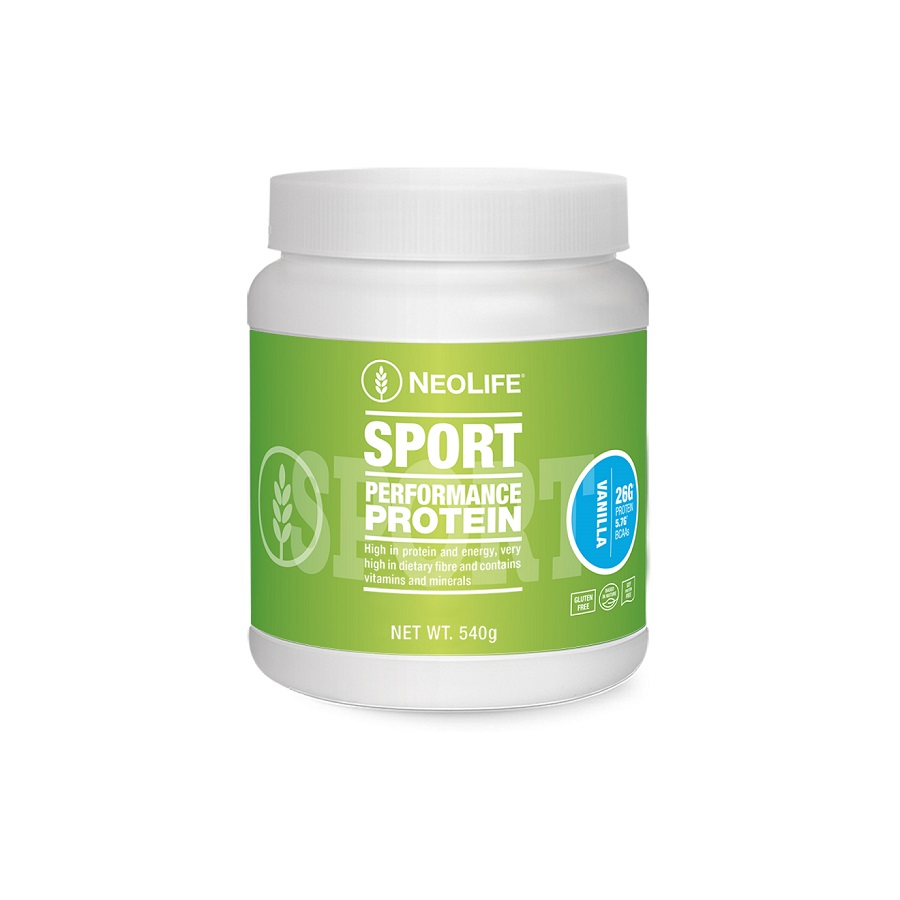
For older adults who struggle to consume enough protein through food alone, protein powders and shakes can be useful alternatives. Whey, pea, and soy protein powders are widely available and can be added to smoothies, oatmeal, or baked goods for an extra nutritional boost.
Practical Tips for Increasing Protein Intake
- Start the day with protein: Incorporate eggs, Greek yogurt, or a protein smoothie into breakfast.
- Include protein in every meal: Ensure that lunch and dinner feature a protein-rich component such as meat, beans, or fish.
- Snack wisely: Opt for nuts, seeds, or a boiled egg instead of sugary or processed snacks.
- Prepare balanced meals: Combine proteins with fruits, vegetables, and whole grains to create nutrient-dense plates.
Conclusion
Protein consumption is an essential part of a healthy diet for older adults, enabling them to maintain muscle mass, support immune function, and enhance their overall quality of life. A balanced approach, combining animal and plant-based sources, can help meet daily protein requirements while promoting variety and enjoyment in meals. By prioritizing protein intake and adopting healthy dietary practices, seniors can embrace a vibrant and active lifestyle well into their golden years.
See the post Protein Content per 100 Grams by Food type which talks about how much protein is contained in different food types. This will help you estimate how much protein content is in each meal. There is usually a daily protein shortage, and we do recommend that you purchase a protein supplement to make good the shortfall.