How Much Protein Does Your Food Contain?
Protein Content per 100 Grams by Food Type
This table provides approximate protein content on a gram per 100-gram basis for various food groups. (i.e. for every 100 grams of the food type that you eat, you will take in the shown grammage in protein.)
| Food Group | Food Item | Protein Content (g/100g) |
| Meats | Chicken breast (cooked) | 31 |
| Meats | Beef (lean, cooked) | 26 |
| Meats | Pork loin (cooked) | 27 |
| Fish | Salmon (cooked) | 25 |
| Fish | Tuna (cooked) | 30 |
| Seafood | Shrimp (cooked) | 24 |
| Seafood | Scallops (cooked) | 20 |
| Nuts | Almonds | 21 |
| Nuts | Peanuts | 25 |
| Legumes | Lentils (cooked) | 9 |
| Legumes | Chickpeas (cooked) | 9 |
| Legumes | Black beans (cooked) | 9 |
| Cheeses and Dairy | Cheddar cheese | 25 |
| Cheeses and Dairy | Greek yogurt (plain, non-fat) | 10 |
| Cheeses and Dairy | Milk (whole) | 3.3 |
| Grains and Cereals | Quinoa (cooked) | 4 |
| Grains and Cereals | Farro (cooked) | 7 |
| Grains and Cereals | Bulgur (cooked) | 3 |
| Whey protein powder | 100 |
The general population should consume the order of 1.0 grams per kg of body weight to build and maintain muscle mass. For the reasons described in the post on protein consumption, seniors need an even higher protein intake, of the order of 2 grams per kg of body weight. This is especially true for those who are recovering from injury and illness.
However, do seniors eating a normal diet consume sufficient protein?
Let’s take an average day and look at typical meals.:
Breakfast: Cereal, toast, two boiled eggs and coffee
Lunch: tined sardines, two slices of cheese and a green salad
Dinner: 150 gram beef steak, two potatoes, green beans and gem squash and ice cream
Estimated protein intake:
Breakfast: 16g, Lunch:25g, Dinner:48g.
I.e. In aggregate, should a similar menu be followed daily, it would deliver 89g per day. However, this would be at the top end of the scale. Ordinarily, on an everyday basis, one would not consume this much protein from one’s meals.
This amount would be sufficient for an older person weighing 45 kg or less. However, for older persons heavier than 45 kg, this protein intake is insufficient.
What to do? How to consume sufficient protein without consuming excess carbohydrates and fats?
Other than deliberately loading up your plate with protein rich foods, supplementation is the way forward here.
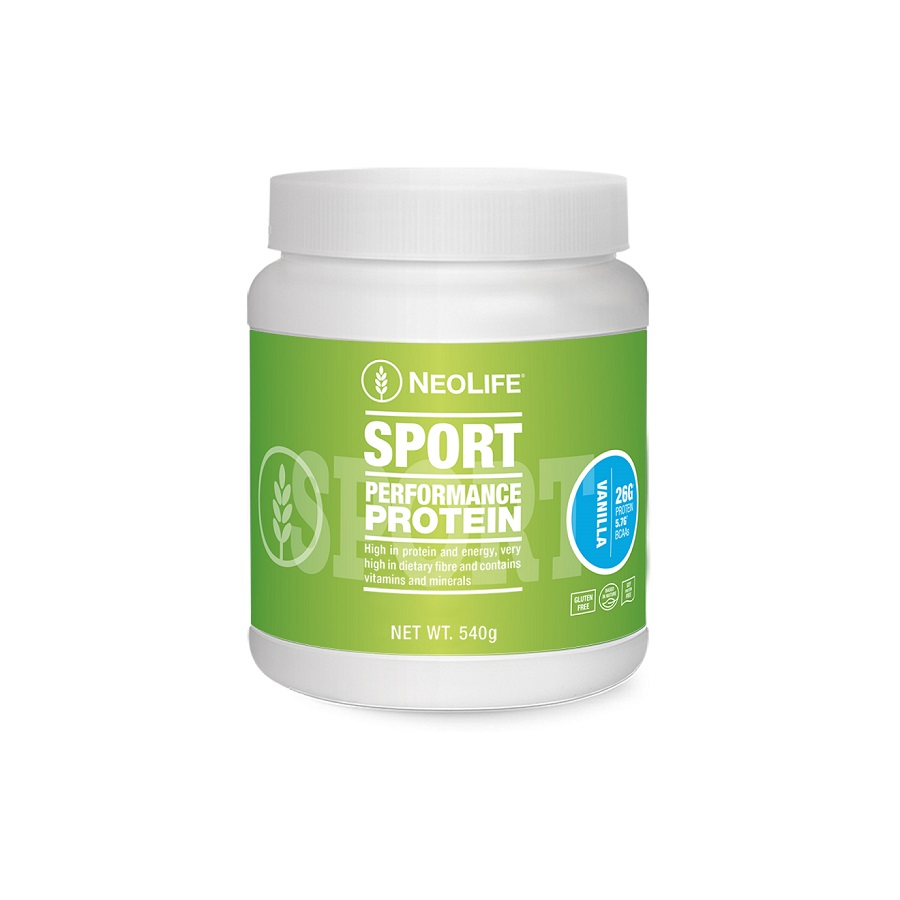
We at Neolife, believe that our products are supremely suited for the job. We specially recommend Neolife Sports Performance Protein. Despite the branding, you don’t have to be a sport enthusiast to benefit hugely from taking this wonderful protein supplement
If you are at all concerned that your diet or that of a close relative lacks sufficient protein content, Neolife Sports Performance Protein, will ensure that any protein consumption gap is comprehensively closed.